Resources · Reading list
The design books worth your shelf
A short list beats a long one. These are the design books that actually change how you work — the ones experienced UX and product designers recommend again and again, spanning usability, interaction design, product thinking, design sprints, discovery, visual thinking, and the psychology behind good interfaces. Read one properly before buying the next.
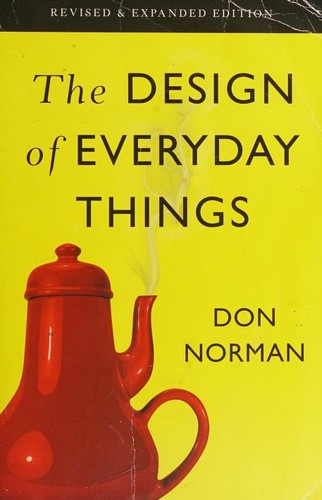



The Design of Everyday Things
FoundationsDon Norman
The book that gave designers their everyday vocabulary — affordances, signifiers, feedback, mental models. If you read one, read this. It reframes design as solving human problems, not decorating screens.
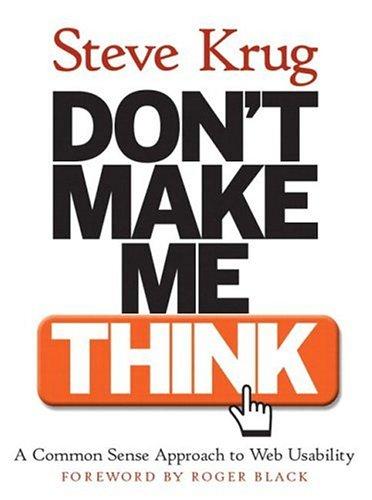
Find it on Amazon →Don't Make Me Think
FoundationsSteve Krug
The fastest, funniest intro to usability ever written. Its central law — a page should be self-evident — is still the bar every interface is measured against. Finishable in an afternoon.
Find it on Amazon →Articulating Design Decisions
InterviewsTom Greever
What separates senior designers is explaining why. Greever teaches you to present and defend decisions without getting defensive — exactly what a whiteboard interview demands.
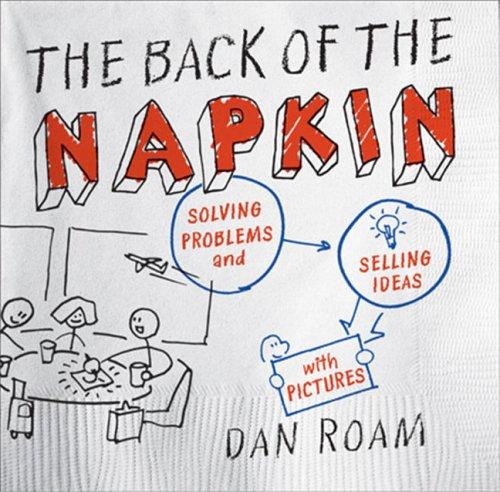
Find it on Amazon →The Back of the Napkin
InterviewsDan Roam
Thinking and selling ideas with simple pictures — the exact muscle a whiteboard challenge tests. A handful of shapes explains almost any problem, and you do not need to draw well.
Find it on Amazon →Universal Principles of Design
ReferenceLidwell, Holden & Butler
A reference, not a read-through: 125 concise principles, one per spread, from Fitts’s Law to the aesthetic-usability effect. Keep it on your desk for the vocabulary that sharpens critiques.
Find it on Amazon →Sprint
ProcessJake Knapp
The five-day design sprint, step by step, from Google Ventures. Even if you never run one, the structure — map, sketch, decide, prototype, test — is a portable way to go from fuzzy to tested fast.
Find it on Amazon →Inspired
ProductMarty Cagan
How the best product teams decide what to build. Cagan’s product thinking is the missing half of design skill and the backbone of any product-sense interview.
Find it on Amazon →Continuous Discovery Habits
ProductTeresa Torres
A concrete method for staying close to users while you ship — interviewing, mapping opportunities, testing assumptions weekly. Turns “talk to your users” into a routine you can run.
Find it on Amazon →About Face
FoundationsAlan Cooper
The foundational text on interaction design, from the person who coined the term. Denser than the rest, but it is where personas and goal-directed design come from.
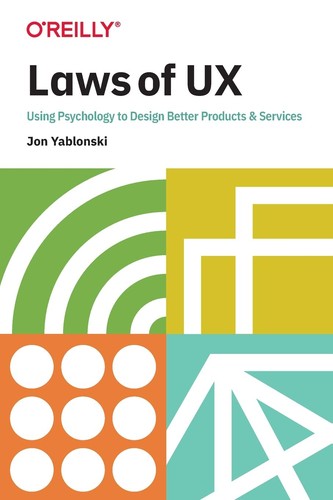
Find it on Amazon →Laws of UX
ReferenceJon Yablonski
A modern, beautifully designed tour of the psychology behind good interfaces — Hick’s Law, Jakob’s Law, the Von Restorff effect. Short, visual, and quotable in your next critique.
Find it on Amazon →How to choose where to start
You do not need to read all ten. Pick one foundation — Norman or Krug — to reset how you see design, one on communication like Articulating Design Decisions to make your reasoning land, and one on product thinking like Inspired to understand the why behind the work. Read those three properly and you will get more from them than from skimming the whole list.
Common questions
What is the best design book for beginners?
Start with The Design of Everyday Things by Don Norman and Don’t Make Me Think by Steve Krug. Together they reset how you see usability and interaction, and both are short and readable.
What should I read to prepare for a design interview?
Articulating Design Decisions (defending your choices), The Back of the Napkin (thinking on a whiteboard), and Inspired (product sense). Those three map directly onto what a design interview tests.
How many design books should I actually read?
Three, chosen across foundations, communication, and product thinking, beats skimming ten. Read one properly and apply it before buying the next.